Related Articles
- Harnessing Nostalgia: How Memory Mapping Can Inspire Innovative Urban Infrastructure Solutions
- Revealing the Invisible: How Urban Legends Influence Public Perception of Infrastructure Projects
- Whimsical Structures: How Playgrounds Can Inspire Innovative Approaches to Urban Infrastructure Development
- The Enigmatic Impact of Dark Fiber Networks on the Future of Digital Ecosystems and Their Capacity to Scale
- Beyond the Horizon: Exploring the Impact of Cultural Nuances on Global Digital Infrastructure Expansion
- Whispers of the Future: How AI-Driven Edge Computing Redefines Network Resilience and Flexibility
Navigating the Cloud: How Environmental Concerns Are Steering Data Center Sustainability Efforts
Navigating the Cloud: How Environmental Concerns Are Steering Data Center Sustainability Efforts
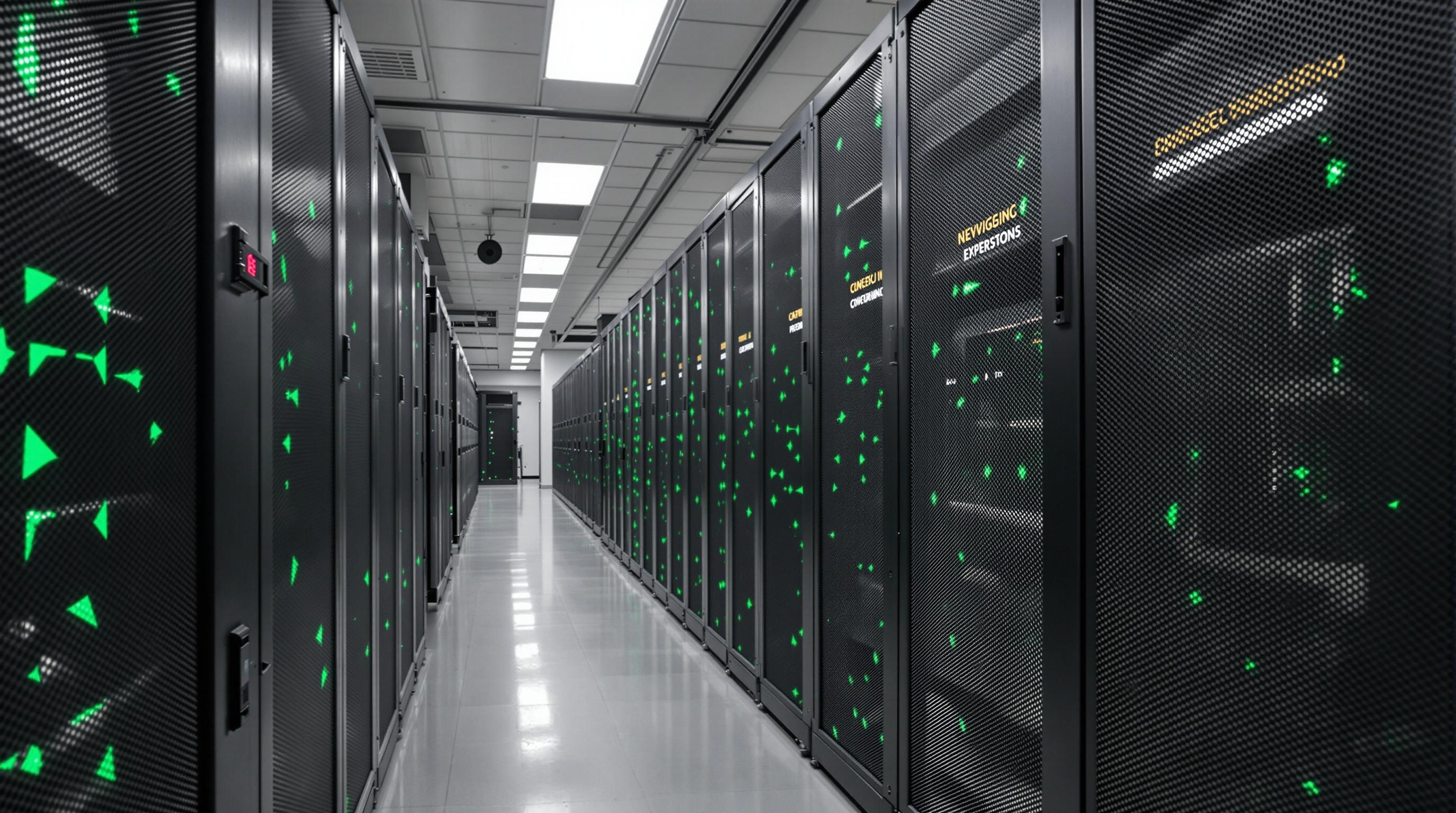
In an age where digital data generation is at an all-time high, the environmental impact of data centers has come under scrutiny, prompting a wave of sustainability initiatives. This article explores how environmental concerns are not only reshaping the operations of data centers but are also paving the way for a more sustainable future in the tech industry.
The Rise of Data Centers and Their Environmental Footprint
As of 2023, an astonishing 1.5 billion gigabytes of data are created every day, leading to a staggering demand for data centers to process, store, and manage this information. This exponential growth is accompanied by serious environmental implications; according to the International Energy Agency (IEA), data centers consumed about 200 terawatt-hours (TWh) of electricity in 2020, accounting for roughly 1% of the global electricity demand.
A Tale of Two Data Centers: Case Studies in Sustainability
Consider two contrasting examples: a traditional data center in the heart of Silicon Valley and a LEED-certified facility in Sweden. The Silicon Valley data center, relying heavily on fossil fuels, generates significant CO2 emissions, while the Swedish one uses renewable energy sources, including wind and hydroelectric power, resulting in a much lower carbon footprint. This juxtaposition highlights how operational choices can have vastly different environmental impacts.
Transitioning to Renewable Energy: A Necessity, Not a Choice
Moving toward renewable energy has emerged as a primary strategy to mitigate the environmental impact of data centers. Google, for instance, has committed to operate solely on renewable energy by 2030, illustrating a growing trend among tech giants. According to a report from the Global Data Centre Impact Sustainability Initiative, adopting renewable energy could reduce greenhouse gas emissions from data centers by up to 90%.
The Humorous Side of Data Center Sustainability
It’s almost ironic that while we’re evolving into a data-driven society, we're still debating whether to unplug that one device charging in the corner of the room. Picture this: data centers trying to run on nothing but the power of good intentions—spoiler alert, it doesn’t work! But it’s no laughing matter when considering that data centers consume as much energy as entire countries! If only we could harvest data for electricity—someone, call Elon Musk!
Government Regulations and Incentives
Regulatory frameworks are spurring companies to embrace sustainable practices. The European Union's Green Deal legislation aims to make Europe climate-neutral by 2050 and includes stringent guidelines for energy consumption in data centers. In the United States, some states offer tax incentives for companies that invest in energy-efficient technologies, promoting a business case for sustainability.
Client Demand: The Power of Choice
Today's consumers are not just passive recipients of technology; they are influencers of corporate behavior. A 2021 survey by IBM revealed that 70% of consumers are willing to pay a premium for environmentally responsible products. This shift in consumer behavior means that data centers have more than just regulatory pressures to consider; they also have a market-driven mandate to prioritize sustainability.
The Role of Innovative Technologies
As we delve deeper into the realm of sustainable data centers, innovative technologies are paving the way for significant advancements. Emerging solutions such as liquid cooling systems, AI-based energy management, and edge computing are helping minimize energy consumption. For instance, Microsoft has invested heavily in AI systems that dynamically adjust resource allocation, resulting in energy savings of up to 30% in their data centers.
Success Stories: Leading by Example
One remarkable success story is that of Digital Realty, which has implemented a major sustainability initiative across its global portfolio. Achieving over 60% reduction in greenhouse gas emissions since 2015, they have set a precedent for others in the industry. The company is on track to meet its goal of 100% green energy usage by 2025, setting a great example for other firms to follow.
The Cost of Inaction: An Economic Perspective
Neglecting environmental sustainability doesn’t come without its cost. A study by the World Economic Forum suggests that failure to address climate-related risks could result in $2.5 trillion in global economic losses by 2030. This sobering figure underscores the necessity of integrating sustainable practices within data center operations—not just for ecological reasons but also for economic viability.
Issues of Water Usage
While energy consumption often steals the spotlight, water usage in data centers is another pressing environmental concern. Cooling systems can consume vast amounts of water, particularly in arid regions. For example, the data center of a major tech company in Arizona reportedly uses enough water to fill an Olympic-sized swimming pool every three days. Innovative alternatives like using recycled water are starting to gain traction, providing a solution to this pressing issue.
A Sustainable Future: Challenges Ahead
Although strides are being made toward more sustainable data centers, challenges remain. The pace of technological advancement often outstrips regulatory frameworks, creating a gap that can hinder progress. Furthermore, there is the challenge of balancing economic growth with sustainability—a delicate equilibrium that many companies struggle to navigate.
Peer Influence: The Ripple Effect
The tech industry is highly interconnected, and positive changes instigated by any leading company can create a ripple effect. As more businesses prioritize sustainability and demonstrate the viability of green practices, peer pressure encourages others to follow suit. By highlighting success stories, industry leaders can share best practices and inspire a collective movement toward sustainability.
Conclusion: A Shared Responsibility
Ultimately, the efforts toward data center sustainability are a shared responsibility between tech companies, governments, and consumers. The journey might be long, but the destination—a sustainable digital future—is worth the effort. As we integrate environmental concerns into our everyday operations, it becomes imperative to remain mindful that behind every byte of data, there lies a world waiting to be protected.
As a 25-year-old writer passionate about technology and the environment, I urge readers of all ages—whether you're just starting on your digital journey or you’re nearing retirement—to advocate for sustainable practices in every facet of your technological engagements. Remember, the future is not just in our hands; it rests on our data, too!
Read More