Related Articles
- Harnessing Nostalgia: How Memory Mapping Can Inspire Innovative Urban Infrastructure Solutions
- Revealing the Invisible: How Urban Legends Influence Public Perception of Infrastructure Projects
- Whimsical Structures: How Playgrounds Can Inspire Innovative Approaches to Urban Infrastructure Development
- The Enigmatic Impact of Dark Fiber Networks on the Future of Digital Ecosystems and Their Capacity to Scale
- Beyond the Horizon: Exploring the Impact of Cultural Nuances on Global Digital Infrastructure Expansion
- Whispers of the Future: How AI-Driven Edge Computing Redefines Network Resilience and Flexibility
Data Deserts: The Potential of Off-Grid Data Centers in Remote and Rural Communities
Data Deserts: The Potential of Off-Grid Data Centers in Remote and Rural Communities
Data deserts, characterized by limited access to digital resources, present a unique challenge for remote and rural communities. Off-grid data centers offer a potential solution, empowering these areas with essential technological infrastructure and bridging the digital divide.
The Problem with Data Deserts
In the 21st century, the internet has become as crucial as electricity for communication, education, and economic growth. However, according to the Federal Communications Commission (FCC), approximately 19 million Americans still lack access to broadband, with rural areas disproportionately affected (FCC, 2020).
A Quick Visit to a Remote Community
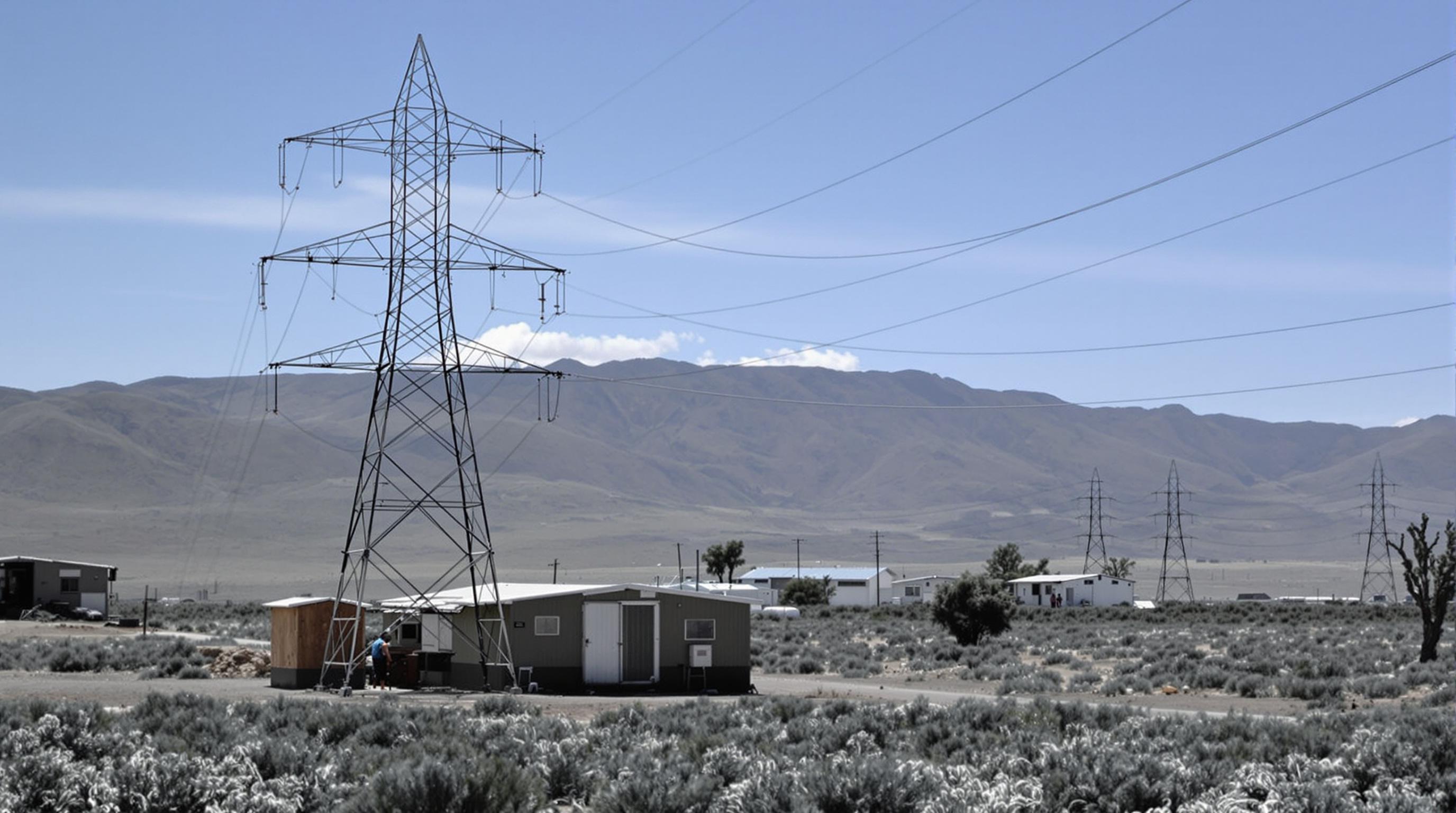
Imagine you’re in a picturesque small town nestled among rolling hills, where the deer outnumber the people. You stroll down the main street, past charming storefronts, but when you casually comment on the local internet connection, the smiles turn to frowns. Residents pull out their smartphones, proudly showcasing a dreadful 1-bar signal strength. They seem caught in a digital time warp. This isn’t an isolated incident; it’s a reality for many rural areas, where access to crucial technological resources remains limited.
Off-Grid Data Centers: What Are They?
Off-grid data centers are essentially computing facilities located in remote areas that operate independently from the main electrical grid. They harness renewable energy sources such as solar, wind, or hydro. Not only do these data centers provide crucial computing power, but they also create opportunities for local economies to thrive. According to a study by the 2030 Sustainable Development Goals, investing in renewable energy in rural areas can generate up to 20,000 jobs (UN SDG, 2021).
The Economic Benefits
You might be wondering, "Why would we need data centers in rural areas?” Well, think about it: local businesses could store their data safely and affordably without relying on distant facilities. Off-grid data centers can cut costs significantly while providing a reliable and sustainable service. Research shows that investment in digital infrastructure can yield a return of $3 to $5 for every dollar spent (McKinsey & Company, 2020).
Bridging the Digital Divide
Not only can off-grid data centers provide essential services, but they also play a critical role in leveling the playing field for rural communities. By enabling access to high-speed internet and data storage, these centers can support telemedicine, online education, e-commerce, and more. A study by the Pew Research Center states that over 80% of rural residents say they want more robust internet service (Pew Research, 2019).
Case Study: Renewables in Action
Let’s dive into a compelling example of a successful off-grid data center implementation. In 2021, the town of Hartington, Nebraska, launched a solar-powered data center that serves the entire community. This project not only brought high-speed internet to residents but also created ten new tech jobs. Local high school graduates began training for careers in IT, taking online courses that were previously unavailable. Hartington’s example demonstrates the powerful synergy between technology, community, and renewable energy—a model for others to replicate (Local NBC News, 2021).
Dispelling the Myths
There’s a common misconception that data centers require massive energy inputs and generate extensive carbon footprints. While this may have been the case in the past, advancements in technology have transformed the industry. Modern off-grid data centers balance efficiency with sustainability, often achieving a positive environmental impact. For instance, the Green Data Center initiative stated that a well-implemented renewable off-grid facility can power itself 85% more efficiently than traditional centers (Green Data Center Initiative, 2022).
Community Engagement: The Key to Success
Building an off-grid data center isn’t just about installing computer servers and solar panels. Community engagement is crucial for long-term success. From the planning stages to ongoing operations, involving local stakeholders ensures that the center meets the community's needs. Holding informational sessions can inform residents about the potential benefits, helping to alleviate skepticism and promote excitement about this new technology. Engaged communities are more likely to support sustainable initiatives, paving the way for fruitful partnerships.
Humor and Connectivity
Now, let’s have a little fun! Not having internet in a rural community is akin to showing up to a potluck without your signature dish—embarrassing and likely to get you some side-eye from your neighbors. Who wants to be the last person in the group chat responding to wedding invites? In the battle for connection, the off-grid data center is our mighty knight in shining armor, ready to swoop in and save the day—unplugged and unbothered.
The Future of Off-Grid Data Centers
The future looks bright for off-grid data centers. As the need for sustainable energy sources continues to grow, so does the demand for robust data infrastructure. Major tech companies have already begun investing in rural broadband projects; for instance, Google recently announced funding for infrastructure improvements in underserved areas, including the Midwest (Tech Crunch, 2022). These advancements are merely the tip of the iceberg when it comes to the potential relaxed digital life in rural communities.
Empowering Local Innovators
The impact of off-grid data centers transcends mere internet access—they can empower local innovation. When rural entrepreneurs gain access to reliable data storage and computing resources, the sky’s the limit. Imagine a local farmer who can now analyze crop yields through data-driven decisions, leading to better outputs and profits. Startups can flourish when local innovators are not hampered by a lack of resources. The possibilities are genuinely endless.
The Global Perspective
Interestingly, the concept of off-grid data centers isn’t limited to the United States; it’s a global phenomenon. Countries like India and Kenya are leading by example by building localized data centers that operate off renewable energy. The response has been overwhelmingly positive, allowing for improved agricultural practices, better education outcomes, and enhanced healthcare access (World Bank, 2021). When one observes these success stories, it becomes clear that implementing off-grid data centers has the potential to spark widespread transformation.
Conclusively Speaking
As we advance toward a future increasingly reliant on digital connectivity, addressing the needs of rural and remote communities is essential. Off-grid data centers present a compelling opportunity to erase data deserts, offering solutions that empower local populations while embracing sustainability. With the power of these cutting-edge facilities, we can unlock the untapped potential of rural areas, ultimately transforming them into thriving, connected communities. If we rally together to address the digital divide, we may find ourselves creating a more equitable, innovative, and connected future for all. Are you in?
In conclusion, while the path to a digitally connected world means overcoming several obstacles, the potential rewards are worth the effort. Off-grid data centers are more than just buildings filled with servers—they are community hubs that can catalyze change, inspire innovation, and foster connection. So, let’s continue to advocate for investment in these transformative initiatives and work together to ensure that no person, no community, is left behind in this digital age.
Read More