
Related Articles
- Harnessing Nostalgia: How Memory Mapping Can Inspire Innovative Urban Infrastructure Solutions
- Revealing the Invisible: How Urban Legends Influence Public Perception of Infrastructure Projects
- Whimsical Structures: How Playgrounds Can Inspire Innovative Approaches to Urban Infrastructure Development
- The Enigmatic Impact of Dark Fiber Networks on the Future of Digital Ecosystems and Their Capacity to Scale
- Beyond the Horizon: Exploring the Impact of Cultural Nuances on Global Digital Infrastructure Expansion
- Whispers of the Future: How AI-Driven Edge Computing Redefines Network Resilience and Flexibility
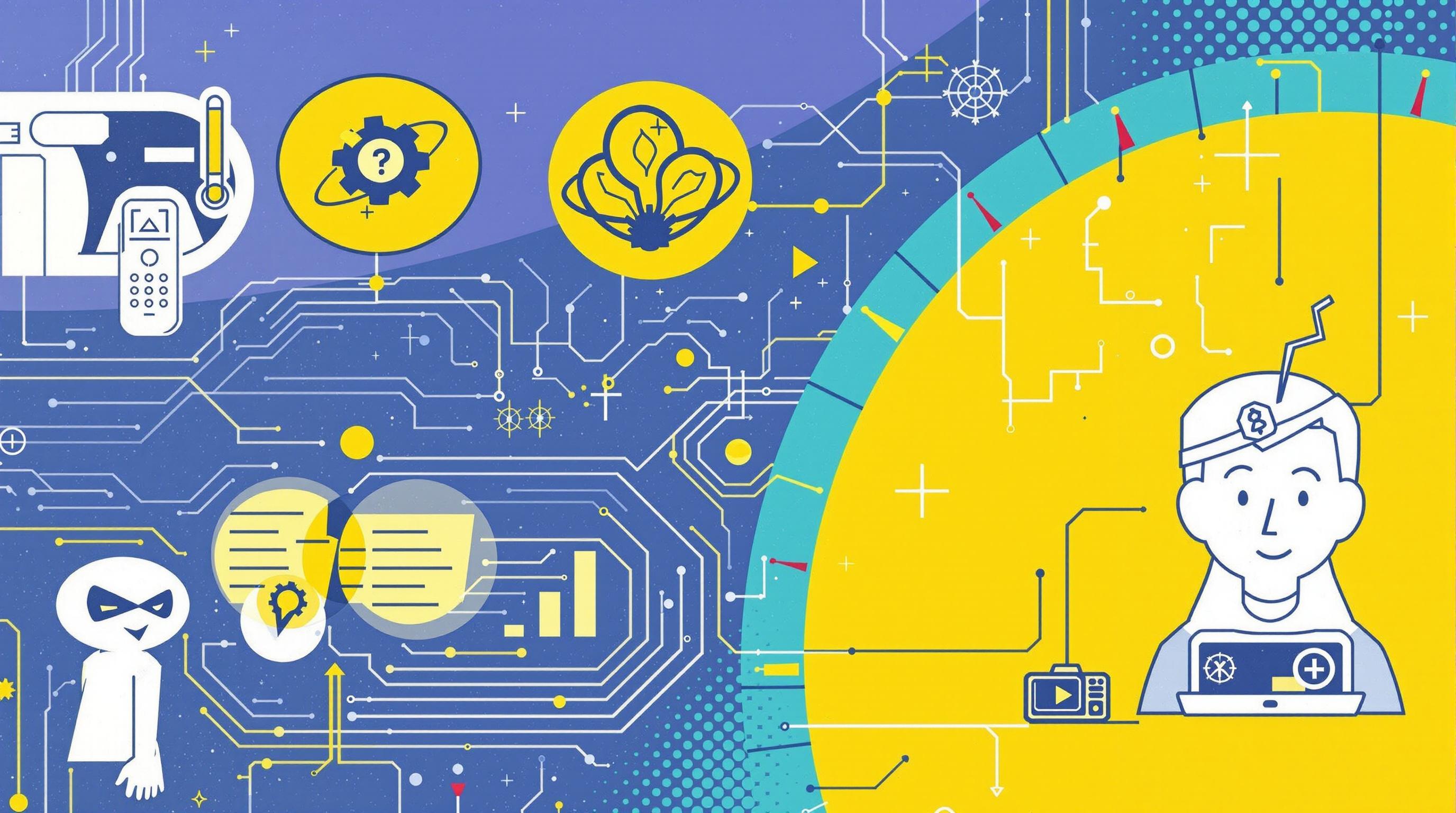
The Unexpected Consequences of DDoS Attacks: How Community Trust Can Reshape IT Response Strategies
The Unexpected Consequences of DDoS Attacks: How Community Trust Can Reshape IT Response Strategies
Distributed Denial of Service (DDoS) attacks not only disrupt services but also challenge the very fabric of community trust that IT infrastructures rely on. This article explores how the repercussions of DDoS attacks can reshape IT response strategies through community engagement and trust-building initiatives.
The Rising Tide of DDoS Attacks
In the digital age, the frequency of DDoS attacks has surged by over 600% since 2018, according to a report from NETSCOUT (2023). These attacks are not just technical nuisances; they potentially erode trust between IT providers and their customer bases. Trust, once shaken, can be a slow process to rebuild, impacting relationships and service strategies profoundly.
What Exactly is a DDoS Attack?
Picture this: your favorite coffee shop on a rainy day, bustling with customers. Suddenly, a busload of people arrives, overwhelming the place, and your delicious latte remains unserved. This, in a nutshell, explains a DDoS attack—multiple compromised systems bombarding a single target with traffic, causing a service outage.
One Notable Incident
Take, for instance, the massive attack on GitHub in 2018, where they experienced a peak traffic of 1.35 Tbps, the largest recorded at the time. This incident highlighted the vulnerability of even the most robust infrastructures and served as a wake-up call across industries. Organizations that once shrugged off the idea of an attack are now confronted with a new reality.
Community Trust: The Hidden Variable
In the wake of a DDoS attack, companies often operate under the radar, focusing on technology fixes and security protocols. However, what tends to be overlooked is the importance of community trust. A study published by the Ponemon Institute in 2020 revealed that 78% of consumers would stop doing business with a company after a data breach. The implications of this are staggering—companies can't afford to ignore the perspectives of their clientele.
The Role of Communication in Response Strategies
When a DDoS attack strikes, clear and transparent communication is key. Many organizations opt for silence, believing that saying less protects them from scrutiny. Ironically, this often backfires. As J.D. Salinger once penned, “The mark of the uneducated man is that he will make a statement and back it up with facts, but the mark of the educated man is that he will make excuses and run.” Companies should embrace frequent updates, even if they don't have all the answers, to maintain trust.
Case Studies: Lessons Learned
Let’s take the case of Cloudflare's handling of a DDoS attack in 2020. Instead of issuing just a technical report after the incident, they conducted a post-mortem that analyzed the fallout and communicated lessons learned to their user base. The excitement engendered by this transparent approach fostered a sense of community and reliability among its users.
Building a Robust Support System
Establishing a resilient support strategy is essential post-attack. Engaging with your community doesn't stop at an announcement or an apology. It means creating channels where users can voice their frustrations, share their concerns, and feel heard. This can range from social media engagement to structured feedback loops through surveys.
Empowering User Communities
Consider happy hour events where users can discuss their tech challenges over drinks. Or even online forums where experts and novices alike can share their insights. An engaged community can serve as the first line of defense, preemptively discussing threats and collaboratively brainstorming ways forward.
Educational Initiatives: A Preemptive Strike
Educational programs that inform clients about DDoS attacks can empower users and build community resilience. Provide resources that explain the threats and offer solutions so that clients feel equipped to face challenges rather than overwhelmed by them.
The Use of Humor in Serious Times
What did one DDoS attacker say to the server? “You’re not a denier; you’re just a ‘denial’ server!” While humor might seem trivial, it can lighten the mood in very serious situations. Companies that can inject levity into their communication tend to create lasting bonds with their audiences, alleviating tension during challenging times.
Statistics Speak Volumes
According to Cybersecurity Ventures, by 2025, DDoS attacks are expected to cost businesses more than $200 billion annually. This staggering figure makes it abundantly clear that organizations must rethink their strategies, not only focusing on technical responses but also on building lasting connections with their communities.
Forward-Looking Strategies
As companies rethink their DDoS response strategies, adopting a community-centric model can provide significant benefits. By prioritizing trust, organizations can foster loyalty that might otherwise be jeopardized in times of crisis. Over the years, technology may change, but the human element—community trust—remains a cornerstone of sustainable IT strategy.
Final Thoughts on the Community-Centric Model
A community-centric model promotes not just survival during an attack but resilience for the future. Informed customers make informed choices. This ecosystem of trust and communication can ultimately lead to less chaos, fewer attacks, and better preparedness.
The Ripple Effect
In the hands of a skilled writer, the phrase “trust is everything” sounds cliché, yet it remains ever potent, even in the tech world. By collectively enhancing understanding and communication, the fallout from DDoS attacks can be mitigated, leading to a healthier relationship between organizations and their user bases. What seems like an isolated incident can have repercussions far beyond immediate effects, educating an entire community about the security landscape.
A Personal Touch: Reflections from a Millennial Writer
As a 28-year-old professional who has experienced the growing pains of many tech companies, I’ve often seen how the recipe of trust and responsiveness plays out post-crisis. I watched friends abandon their banks after a breach because they felt unvalued. This cohesion between user and technology is promising; it promises survival beyond just bottom-line metrics.
As We Move Forward
It’s imperative for organizations to elevate the conversation surrounding DDoS attacks from technical jargon to building bridges. The unexpected consequences of these attacks are profound, and how we respond can either rebuild trust or dismantle it completely. This delicate balance can reshape the entire IT landscape, impacting future strategies and community relations.
Ultimately, as we navigate the murky waters of the cyber world, let us not forget—community trust is the anchor in the storm. Embracing this philosophy will pave the way for innovative DDoS response strategies moving forward, ensuring organizations remain not just survivors but thriving entities in the age of uncertainty.
Read More