Related Articles
- Harnessing Nostalgia: How Memory Mapping Can Inspire Innovative Urban Infrastructure Solutions
- Revealing the Invisible: How Urban Legends Influence Public Perception of Infrastructure Projects
- Whimsical Structures: How Playgrounds Can Inspire Innovative Approaches to Urban Infrastructure Development
- The Enigmatic Impact of Dark Fiber Networks on the Future of Digital Ecosystems and Their Capacity to Scale
- Beyond the Horizon: Exploring the Impact of Cultural Nuances on Global Digital Infrastructure Expansion
- Whispers of the Future: How AI-Driven Edge Computing Redefines Network Resilience and Flexibility
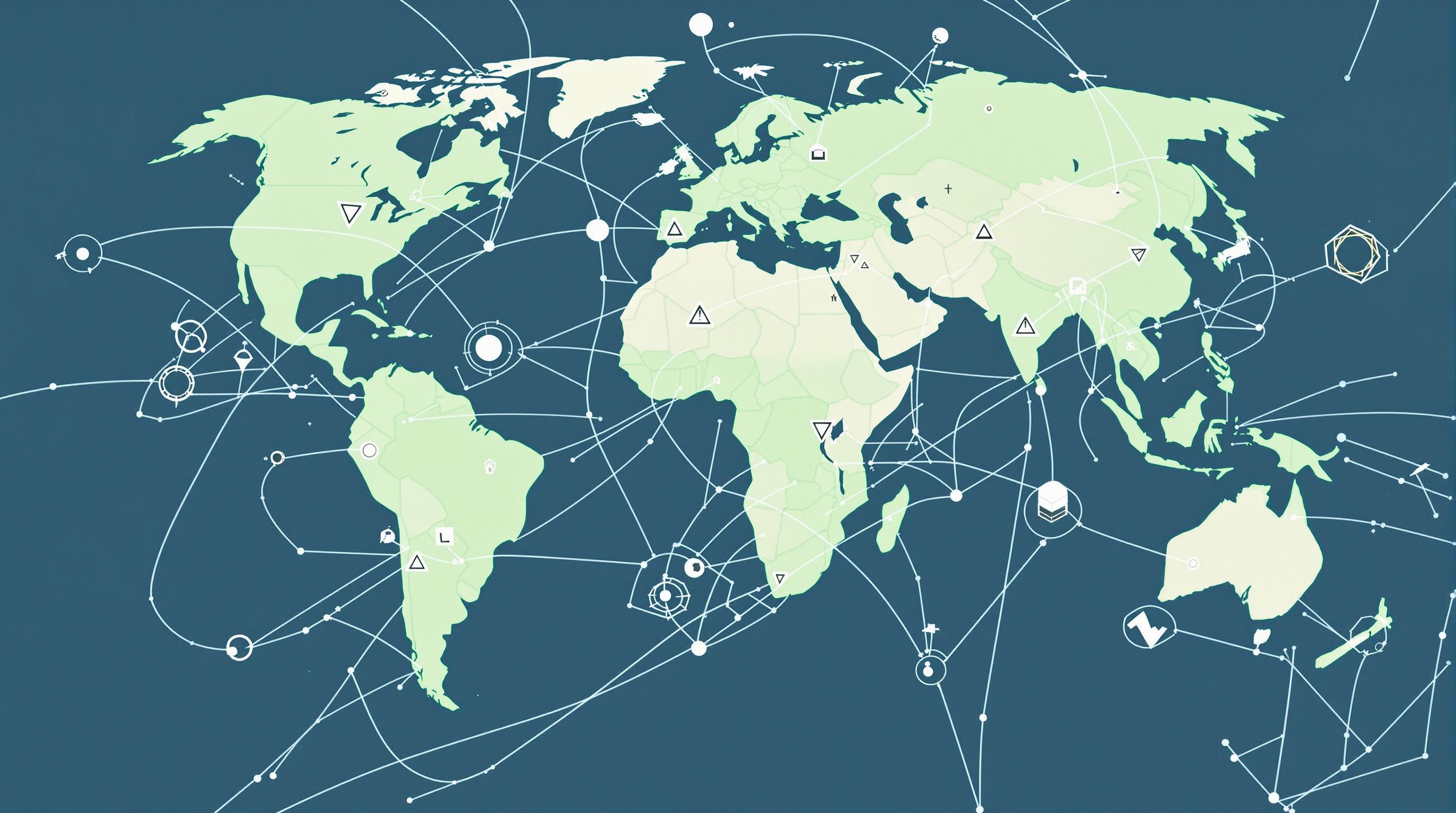
The Unexpected Dilemmas of Data Sovereignty: Navigating Global Laws in a Scalable Internet Landscape
The Unexpected Dilemmas of Data Sovereignty: Navigating Global Laws in a Scalable Internet Landscape
Data sovereignty is quickly becoming a key issue as businesses grapple with the implications of complying with laws that vary drastically from one nation to another. In this article, we’ll explore the unexpected dilemmas posed by data sovereignty, the complexities of navigating these global laws, and practical strategies for organizations trying to operate effectively in a scalable internet landscape.
The Globalized Internet: A Double-Edged Sword
In this age of globalization, the internet has no borders—yet nations are ardently protecting their data as if they were fortresses. This paradox suggests a global digital citizenship at odds with nationalistic data control. As Ryan Calo, a law professor at the University of Washington, put it, “The infrastructures of the internet are fundamentally at odds with the political and legal structures we’ve built to control it.”
Did you know that according to a report by Deloitte, around 90% of businesses are concerned about their compliance with data sovereignty laws? Companies are standing at a crossroads; they want to leverage the global benefits of cloud computing without stepping on the regulatory toes of the countries in which they operate. And you thought keeping up with a Netflix subscription was tough!
The Rise of Data Sovereignty Laws
Data sovereignty laws mandate that data generated within a country’s borders must be stored and processed according to that nation's legal framework. These laws are not just about privacy—they often reflect broader societal values, economic interests, and geopolitical considerations.
For example, the European Union's General Data Protection Regulation (GDPR) has become a benchmark for data protection globally, affecting companies around the world. A study conducted by the International Association of Privacy Professionals found that 60% of organizations are unsure about their GDPR compliance! That’s not just a headache; it’s a full-blown migrane!
Interestingly, these laws can differ considerably; the GDPR insists on stringent processes for data processing, while countries like the United States have more fragmented regulations. One could say it’s like a box of chocolates; you never know what type of data law you’re going to get, even if you’re “Googling” the same thing!
The Case of the New Zealand vs. Kiwifruit Case Study
Imagine a fictitious company called "Kiwifruit International." Headquartered in New Zealand, they maintain customer data across various international servers. One day, the company finds itself caught in a legal web when New Zealand’s Privacy Act demands they localize their data storage. The company faces hefty fines for non-compliance—estimates suggest a staggering 10% of their annual revenue! Kiwifruit International must pivot, relocating its data while essentially juggling flaming torches in the digital arena. Now that’s a modern circus act without a net!
Complications in Cross-Border Data Transfers
A central dilemma in the realm of data sovereignty is how companies navigate cross-border data transfers. The intricacies can often feel like trying to find a decent Wi-Fi connection in the middle of a desert—nearly impossible! Each country has its own sets of rules that can make sharing data difficult, if not outright impossible. For instance, the EU's Schrems II ruling invalidated the Privacy Shield Framework, creating panic among companies operating internationally. Responding to this, over 80% of firms reported they had to reassess their compliance strategies. It’s like getting ghosted right before a significant date!
Imagine a multinational company like IBM, which relies heavily on data analytics and cloud solutions. As it attempts to share data between its European and American subsidiaries, it encounters several challenges, including ensuring compliance with GDPR and U.S. data regulations. The extra paperwork isn’t just annoying; it may slow down innovation as companies become mired in bureaucracy.
Finding Common Ground—Is It Possible?
The dilemma of data sovereignty urges countries to find diplomatic routes for cooperation, but can they actually find common ground? It seems that the answer lies teetering on a wire, between national security and global commerce. A report from McKinsey highlights that “cross-border data flows can add up to $3 trillion to the global economy.” However, the same report warns that failing to establish mutual legal frameworks may lead to missed opportunities in burgeoning markets. Here, stakeholders must engage in a balancing act: favoring regulation without stifling innovation.
The Sway of Public Opinion
There has also been a cultural shift among consumers. More people are worried about their data privacy than ever, which is a primary reason Europe has led the charge with GDPR. A survey revealed that about 76% of Americans feel their data privacy is compromised. Activist groups are not just waving signs but catalyzing shifts in how companies perceive data protection. Companies must decide to adapt to these changing tides or risk being swept away—think of them as surfers navigating an unpredictable wave.
Technology’s Role: The Silver Lining (or Is It?)
For all the headaches brought by data sovereignty laws, technology offers some silver linings in the form of innovative solutions. Cloud services provide options for regional data storage while allowing businesses to operate globally. However, these services also introduce complexities as companies might have to employ different solutions to store data in various countries. The complexity can be similar to choosing an outfit for a first date—think about how many elements need to match!
One viable solution is the use of decentralized technologies and blockchain. Companies like Everledger utilize blockchain to provide transparency and traceability of data. By creating a distributed ledger, organizations can ensure compliance with local laws while elements of data remain accessible for international operations. Voilà! A transparent way forward—akin to finding the missing piece of a jigsaw puzzle that finally reveals the picture.
The Human Element: Training and Awareness
Let’s not forget that technology is just a tool; it requires competent users. One of the critical challenges in navigating the laws surrounding data sovereignty is the knowledge gap among employees. An alarming 70% of organizations don’t offer regular data protection training to their employees, making them vulnerable to breaches and misunderstandings. The consequences of this can be grave, triggering fines and reputational damage.
Organizations should take a proactive approach to training, creating a culture of compliance and awareness. When employees understand the intricacies of data sovereignty laws, they can contribute to safeguarding sensitive information. Companies that embrace education may well foster a more responsible internet—and isn't that what we all want?
Strategies for Compliance
As businesses seek scalable solutions in today’s digital landscape, a multi-faceted approach to compliance becomes indispensable. Organizations should incorporate data localization strategies, engage in regular audits, and maintain constant communication with legal experts in this ever-evolving terrain. Companies can also employ data mapping to visually understand where their data exists, thus improving compliance efforts. Data mapping is like creating a treasure map, guiding organizations to compliance gold while avoiding legal pitfalls.
Furthermore, diversifying cloud providers can reduce risks. By not putting all eggs in one basket, companies can distribute their data across different regions and prevent excessive fines should one provider run into regulatory conflicts. It’s a strategy that ensures companies have backup plans, much like carrying an umbrella when the forecast looks dubious.
Final Thoughts: The Balancing Act
Data sovereignty represents a complex web of challenges and opportunities. Companies must navigate an intricate maze of laws, maintaining flexibility while also considering the ethical implications of their data practices. The tension between local regulations and global business imperatives is likely to intensify as technology and public expectations evolve.
As we look to the future, can organizations thrive in the data-saturated environment while respecting the sovereignty of nations? Ultimately, only time will reveal if we can strike the right balance, or if we will find ourselves entangled in a never-ending legal quagmire. Much like a dramatic episode of a reality show, the saga of data sovereignty will continue to unfold, keeping us riveted with every twist and turn.
After all, while the landscape may be complicated, it also offers fertile ground for creative solutions and innovation. The key lies in understanding that navigating this labyrinth is not merely a regulatory requirement but a collective leap toward building a more secure and responsible digital ecosystem. And in the fast-moving internet highway, it’s better to be a proactive driver than one caught in a traffic jam of compliance issues!
Read More