Related Articles
- Harnessing Nostalgia: How Memory Mapping Can Inspire Innovative Urban Infrastructure Solutions
- Revealing the Invisible: How Urban Legends Influence Public Perception of Infrastructure Projects
- Whimsical Structures: How Playgrounds Can Inspire Innovative Approaches to Urban Infrastructure Development
- The Enigmatic Impact of Dark Fiber Networks on the Future of Digital Ecosystems and Their Capacity to Scale
- Beyond the Horizon: Exploring the Impact of Cultural Nuances on Global Digital Infrastructure Expansion
- Whispers of the Future: How AI-Driven Edge Computing Redefines Network Resilience and Flexibility
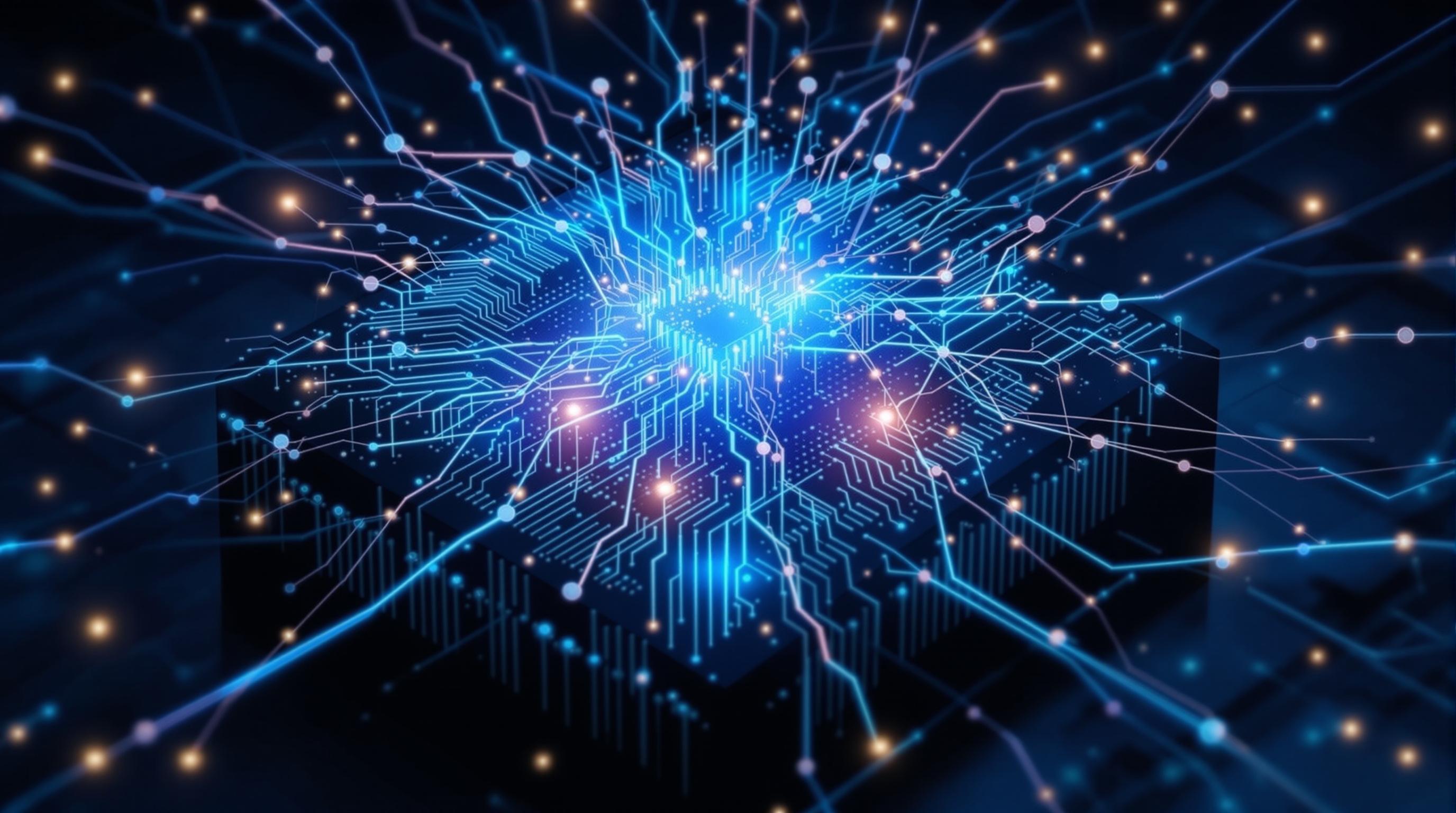
7 Surprising Factors: How Neuromorphic Computing is Rewiring Our Approaches to Network Architecture Fundamentals
7 Surprising Factors: How Neuromorphic Computing is Rewiring Our Approaches to Network Architecture Fundamentals
7 Surprising Factors: How Neuromorphic Computing is Rewiring Our Approaches to Network Architecture Fundamentals
1. Understanding Neuromorphic Computing
Neuromorphic computing is inspired by the structure and function of the human brain, aiming to replicate its cognitive processes in machines. Unlike traditional computing architectures that rely on sequential processing, neuromorphic systems utilize parallel architectures, ensuring that data processing occurs simultaneously, similar to neural activities.
This new paradigm excels in tasks that can benefit from pattern recognition and sensory integration, which are predominant in methodologies like object detection and real-time analytics. By enabling machines to learn and adapt, neuromorphic computing opens doors to various applications, from autonomous vehicles to smart devices.
With the advancement of semiconductor technology and materials science, researchers are continuously refining neuromorphic hardware, searching for efficiencies and capabilities beyond what conventional systems can offer.
2. Power Efficiency Redefined
One of the most compelling advantages of neuromorphic computing is its remarkable power efficiency. Traditional computing relies on a significant amount of energy due to the constant switching of transistors. In contrast, neuromorphic architectures can operate using a fraction of the power, which is critical in a world increasingly concerned about energy consumption.
Neuromorphic chips, such as Intel's Loihi, have demonstrated substantial reductions in energy use by functioning on the principles of sparse and event-driven processing. This is particularly useful for edge computing applications where energy resources are limited.
As power efficiency becomes a central concern in network architecture, adopting neuromorphic solutions can lead to cost savings for organizations and a lessened environmental impact.
3. Enhanced Learning Capabilities
Neuromorphic systems possess superior learning capabilities compared to traditional algorithms. They can learn from data without overwhelming preprocessing, directly adapting their operations based on real-time input. This adaptability mimics the human brain's ability to learn from experiences, making neuromorphic computing ideal for dynamic environments.
Through mechanisms like spike-timing-dependent plasticity (STDP), neuromorphic chips can continuously update and optimize their neural configurations, allowing them to evolve over time. This continuous improvement renders them highly efficient for tasks requiring ongoing training, such as speech recognition or image analysis.
The implications for network architecture are significant; systems can become more responsive and customized to user needs, paving new pathways for user experience and application performance.
4. Rethinking Data Processing Paradigms
Neuromorphic computing leads to a paradigm shift in data processing, allowing for in-memory computing which reduces the latency associated with data transfers between storage and processing units. This shift can free up bandwidth and enhance the responsiveness of applications.
In traditional architectures, data must travel through various layers, often leading to bottlenecks. In neuromorphic setups, information is processed at the location it is stored, effectively transforming data processing into a much more efficient and holistic endeavor.
This model supports the development of more scalable network architectures, as each node can process data locally, leading to faster decision-making and improved overall system performance.
5. Scalability and Flexibility
The biologically inspired design of neuromorphic systems lends them an inherent scalability and flexibility that traditional architectures lack. Neuromorphic networks can expand with minimal disruption, adapting to varying levels of complexity or increasing user demands seamlessly.
Adding new nodes to a neuromorphic network does not necessitate a complete overhaul of existing structures. Instead, the network simply integrates the new components, reflecting the brain's ability to grow and rewire without losing functionality.
This characteristic opens opportunities for organizations to build robust networks that can evolve with technological advancements and user demands, laying a foundation for the future of intelligent systems.
6. Improved Fault Tolerance
Neuromorphic computing inherently possesses enhanced fault tolerance. Just as the human brain can function despite damage, these systems can continue to operate effectively even when some components fail or encounter issues.
This resilience is significant for network architectures, especially in environments where reliability is critical. By distributing tasks across a broader network and enabling nodes to compensate for failures, neuromorphic approaches can maintain operational integrity.
As industries become increasingly reliant on technology, the ability to withstand disruptions without complete failure will be paramount, marking neuromorphic systems as a strong candidate for future network designs.
7. Fostering Collaboration Between AI and Hardware
Neuromorphic computing encourages a closer collaboration between artificial intelligence (AI) algorithms and hardware design. Traditionally, a disconnect has existed between software and hardware, limiting potential optimization for specific tasks.
With neuromorphic architectures, the design is purpose-built for AI operations, allowing for tighter integration and better overall performance than traditional systems could achieve. This synergy enhances not only the speed and efficiency of processing but also deep learning outcomes.
As AI continues to evolve and expand its role in various sectors, the seamless coupling of AI with neuromorphic hardware may redefine future computing environments, ushering in innovations previously thought unattainable.
8. Security Implications
The inherent characteristics of neuromorphic computing may influence cybersecurity strategies. With their decentralized designs and adaptive capabilities, these systems pose new challenges and opportunities concerning data security.
Real-time learning and processing may facilitate more robust anomaly detection systems, thereby enhancing security measures. Neuromorphic architectures could learn to identify and respond to threats rapidly, making them pertinent in sensitive environments.
Embedding security protocols directly into the architecture itself may also create a more resilient framework for safeguarding digital assets, shaping the future of cybersecurity strategies.
9. Accelerated Research and Development
Implementing neuromorphic computing can facilitate accelerated research and development across various industries. By allowing for more efficient data processing and faster machine learning applications, organizations can generate insights more quickly.
This acceleration fosters a culture of innovation, enabling researchers and developers to test theories and develop products at a pace that was previously unattainable, significantly impacting competitive industries, healthcare, and scientific research.
As organizations realize the potential of neuromorphic technologies, we may witness groundbreaking advancements faster, altering the landscape of research and product development.
10. The Future of Networking
As neuromorphic computing emerges as a strong contender in the computing landscape, its influence on networking fundamentals is undeniable. From power efficiency and enhanced learning capabilities to improved fault tolerance and security measures, the integration of these systems is set to reshape how networks are designed and operated.
Future networking paradigms will likely prioritize decentralized structures that mimic human cognitive processes, leading to smarter, more efficient systems that can adapt to a rapidly changing world. The collaborative potential between neuromorphic computing and AI will enable unprecedented applications
Ultimately, as we edge into a new technological era, neuromorphic computing stands poised to revolutionize network architecture fundamentals, setting the stage for innovations that will profoundly impact society.
Read More