Related Articles
- Harnessing Nostalgia: How Memory Mapping Can Inspire Innovative Urban Infrastructure Solutions
- Revealing the Invisible: How Urban Legends Influence Public Perception of Infrastructure Projects
- Whimsical Structures: How Playgrounds Can Inspire Innovative Approaches to Urban Infrastructure Development
- The Enigmatic Impact of Dark Fiber Networks on the Future of Digital Ecosystems and Their Capacity to Scale
- Beyond the Horizon: Exploring the Impact of Cultural Nuances on Global Digital Infrastructure Expansion
- Whispers of the Future: How AI-Driven Edge Computing Redefines Network Resilience and Flexibility
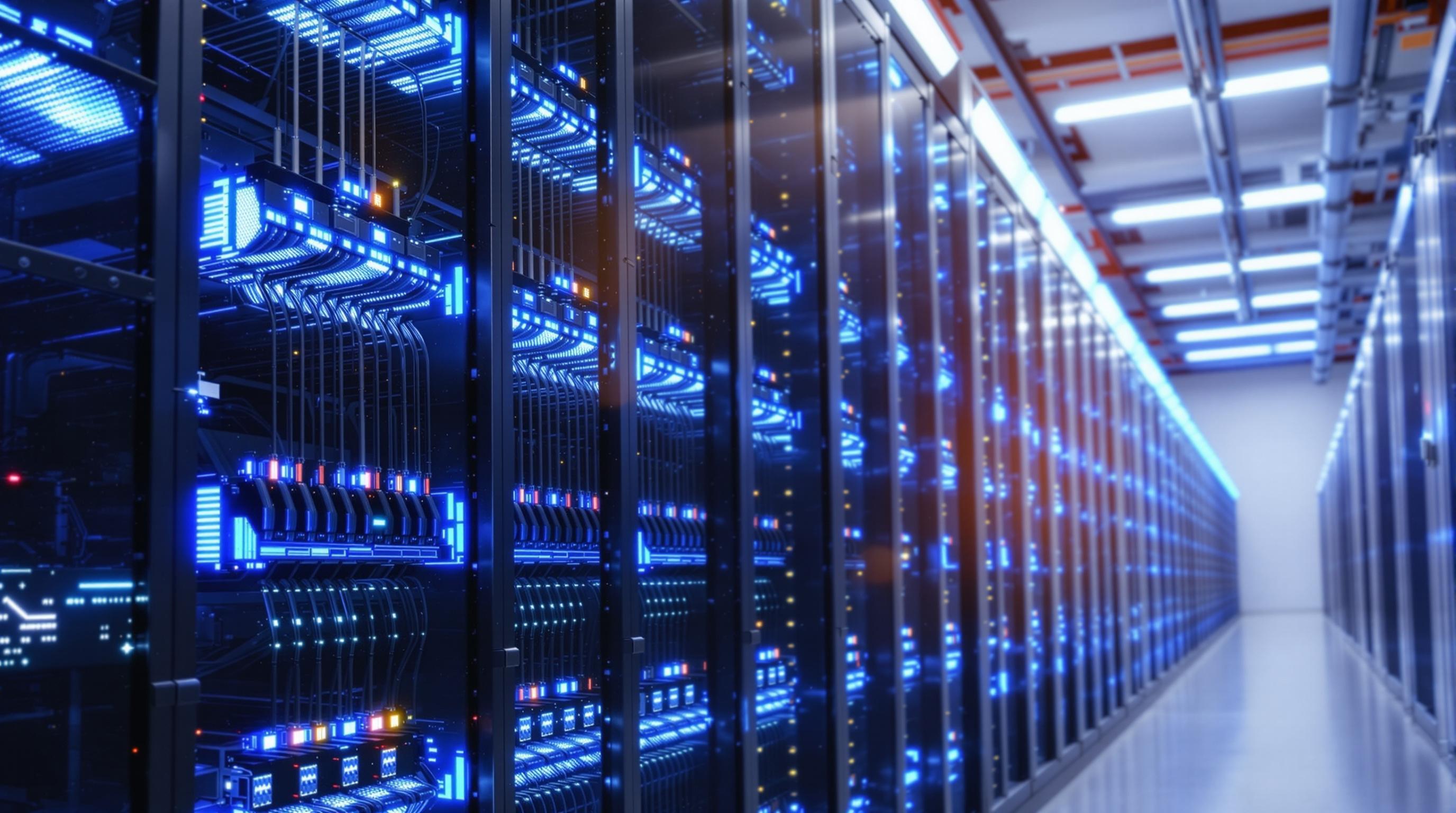
10 Surprising Techniques to Enhance Cooling Efficiency in Data Centers: Innovations for a Greener Future
10 Surprising Techniques to Enhance Cooling Efficiency in Data Centers: Innovations for a Greener Future
10 Surprising Techniques to Enhance Cooling Efficiency in Data Centers: Innovations for a Greener Future
1. Liquid Cooling Solutions
Liquid cooling has emerged as an efficient alternative to traditional air cooling systems in data centers. By using water or proprietary cooling liquids, these systems can absorb and dissipate heat more effectively than air. This technique reduces energy consumption significantly, as liquids conduct heat better than air, leading to lower operating temperatures for servers.
Many data centers are now adopting direct-to-chip liquid cooling systems, which deliver coolant directly to the heat-generating components of servers. This approach minimizes the amount of energy required to keep systems cool, enhancing overall airflow efficiency. A study by the Lawrence Berkeley National Laboratory found that liquid cooling can lead to a cooling energy reduction of up to 60% compared to conventional methods.
Organizations such as Facebook and Google are investing heavily in liquid cooling technologies, aiming to create a greener operation with reduced carbon footprints. The shift towards liquid cooling not only promises better energy efficiency but also allows server manufacturers to produce denser and more powerful computing hardware.
2. Free Air Cooling
Free air cooling utilizes the ambient temperature of the environment rather than mechanical refrigeration to maintain optimal data center temperatures. This technique leverages cold outside air to directly cool server rooms during cooler seasons, which drastically cuts down on energy consumption.
Data centers in colder climates have effectively implemented free air cooling, resulting in significant operational cost savings. According to a report by the U.S. Environmental Protection Agency (EPA), free air cooling can reduce cooling energy use by over 90% in the appropriate conditions.
Companies like Microsoft and Amazon have utilized this technology to create sustainable operations. With the increasing global push for greener practices, free air cooling is poised to become a standard practice in modern data center design.
3. Adaptive Cooling Systems
Adaptive cooling systems dynamically adjust cooling outputs based on real-time data, reducing energy expenditure by targeting only the areas that require it. This innovative approach leverages sensors and software to create a highly efficient cooling environment that matches server load and temperature variations.
The implementation of adaptive cooling systems can lead to significant increases in energy efficiency by providing just-in-time cooling instead of constant cooling. A Frost & Sullivan report emphasizes that by adopting this technology, data centers can achieve a 40% reduction in energy use.
Additionally, these systems contribute to longer server lifespans by preventing overheating, ultimately offsetting initial investments with increased operational efficiency and lower cooling costs.
4. Thermal Energy Storage
Thermal energy storage systems, such as chilled water storage or phase change materials, allow data centers to store cooling energy during off-peak hours, utilizing it during high demand. This approach not only reduces peak load on energy grids but also capitalizes on lower energy costs during off-peak hours.
By employing thermal storage systems, data centers can alleviate strain on electrical systems, particularly during hot months. A recent study indicated that deploying thermal energy storage can decrease peak cooling loads by 30-50%, creating a vast utility savings potential.
Companies that have implemented thermal storage systems have reported significant cost reductions and enhanced cooling system reliability. These features align perfectly with the industry’s ongoing quest for sustainability and efficiency.
5. High-Temperature IT Equipment
High-temperature IT equipment, such as servers designed to operate effectively at elevated temperatures, has gained traction as a strategy to reduce cooling requirements. This technology allows data centers to increase the allowed ambient temperature, directly correlating with reduced energy costs.
The American Society of Heating, Refrigerating and Air-Conditioning Engineers (ASHRAE) proposes that allowable server temperatures can reach as high as 80°F (27°C) without compromising performance. The implementation of such equipment can decrease energy usage for cooling by up to 20%.
Leading tech companies have begun exploring and deploying high-temperature IT technologies, recognizing that allowing equipment to run warmer not only reduces energy consumption but also lessens the demand for aggressive cooling systems, streamlining their data center operations.
6. Innovative Layout Designs
Data center layout can play a pivotal role in cooling efficiency. By employing hot aisle/cold aisle configurations, organizations can create barriers to airflow that help maintain optimal conditions. This fundamental design allows cool air to circulate directly to server inlets while hot air is effectively expelled, decreasing the need for vigorous cooling.
More innovative arrangements, such as zoning with containment systems to isolate hot and cold air, can significantly enhance cooling efficiencies. Studies show that utilizing proper layout designs can reduce cooling energy use by 20-50%, positively impacting overall operational costs.
Moving forward, many data center designers are focusing on optimizing physical space for airflow management, which paves the way for a sustainable future in efficient data operations.
7. Using Artificial Intelligence
Artificial Intelligence (AI) is reshaping many aspects of data center management, including cooling systems. AI-driven analytics can predict cooling needs based on server loads and environmental data, enabling precise adjustments to HVAC systems. This level of control reduces energy expenditures while maintaining reliable system performance.
Training machine learning algorithms on historical data allows for proactive cooling strategies that adapt to varying operational conditions. According to a study by the International Energy Agency, AI systems can lead to energy savings of up to 30% in data centers.
As the technology evolves, integrating AI into cooling management will likely become standard practice, providing data centers with insights to optimize energy use and contribute to greener operations while reducing costs.
8. Renewable Energy Integration
Integrating renewable energy sources, such as solar or wind power, into data center operations provides an eco-friendly approach to cooling processes. By harnessing these sustainable energy options, data centers can power cooling systems without contributing to greenhouse gas emissions.
Organizations that have embraced renewable energy report that it not only reduces electricity costs but also enhances their corporate social responsibility profiles. According to a report by the Global Data Center Sustainability Coalition, integrating renewable energy sources can decrease the carbon intensity of data center operations by up to 80%.
The trend towards renewable energy is rapidly growing, driven by advances in technology and COP21 agreements. Companies are investing in solar panels and wind turbines to further power their facilities sustainably and reduce their ecological impacts.
9. Evaporative Cooling Techniques
Evaporative cooling techniques leverage the natural process of water evaporation to chill air in data centers, presenting a low-energy cooling solution. By passing hot air through water-saturated pads, the temperature can drop significantly without relying on energy-intensive cooling systems.
This method can reduce cooling energy consumption by 50-90% compared to traditional air conditioning methods, especially in arid climates. A report from the Cooling Technology Institute illustrates how innovative evaporative systems provide substantial benefits in efficiency and cost-effectiveness.
As evaporative cooling systems become more recognized for their benefits, they offer a sustainable alternative for data centers looking to minimize environmental impact while maintaining required cooling levels.
10. Employee Engagement in Sustainability
Engaging employees in sustainability initiatives can greatly affect a data center's cooling efficiency and overall energy consumption. By fostering a culture of awareness surrounding energy use and environmental responsibility, data centers can empower their workforce to suggest and implement energy-saving practices.
Training programs focused on energy awareness and operational efficiencies can yield substantial improvements. A study by the Carbon Trust indicates that simple behavioral changes can lead to an average of 15% energy savings in organizational contexts.
As employees become champions for sustainable practices, data centers can innovate and adopt smarter cooling techniques, paving the way for an environmentally conscious future in data management.
Read More