Related Articles
- Harnessing Nostalgia: How Memory Mapping Can Inspire Innovative Urban Infrastructure Solutions
- Revealing the Invisible: How Urban Legends Influence Public Perception of Infrastructure Projects
- Whimsical Structures: How Playgrounds Can Inspire Innovative Approaches to Urban Infrastructure Development
- The Enigmatic Impact of Dark Fiber Networks on the Future of Digital Ecosystems and Their Capacity to Scale
- Beyond the Horizon: Exploring the Impact of Cultural Nuances on Global Digital Infrastructure Expansion
- Whispers of the Future: How AI-Driven Edge Computing Redefines Network Resilience and Flexibility
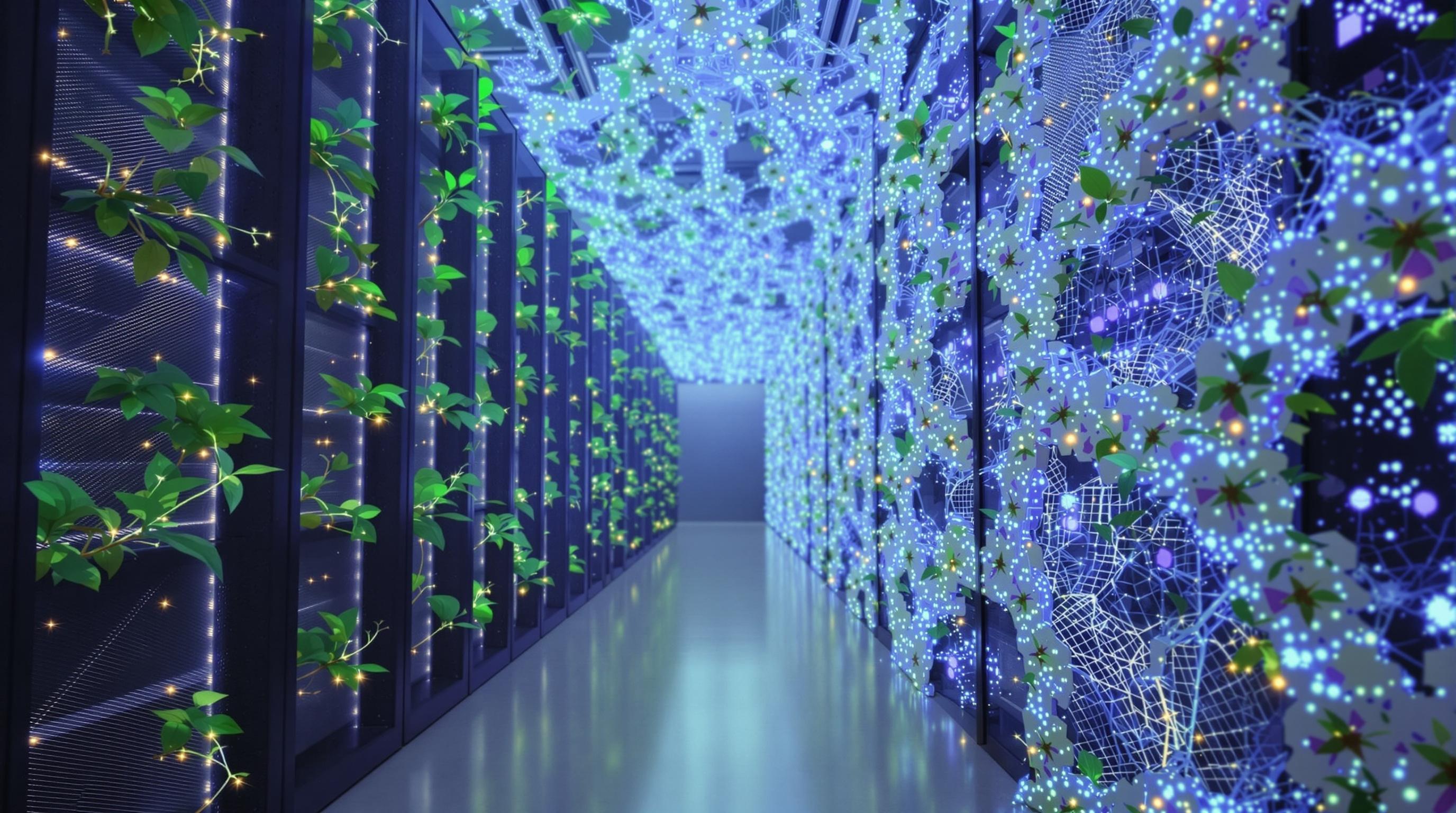
11 Game-Changing Advances in Biomimetic Design: Redefining Sustainability in the Future of Data Center Operations
11 Game-Changing Advances in Biomimetic Design: Redefining Sustainability in the Future of Data Center Operations
11 Game-Changing Advances in Biomimetic Design: Redefining Sustainability in the Future of Data Center Operations
1. Introduction to Biomimetic Design
Biomimetic design involves creating technologies and systems inspired by nature's models, systems, and processes. This approach focuses on sustainability, efficiency, and innovative problem-solving, echoing the principles found in biological organisms.
In the context of data centers, which are notorious for their energy consumption and environmental impact, biomimicry offers promising solutions. By emulating natural processes, data centers can significantly reduce their carbon footprint while enhancing operational efficiency.
This article explores eleven groundbreaking advances in biomimetic design that are set to transform the future of data center operations, making them more sustainable and aligned with ecological principles.
2. Self-Cooling Systems Inspired by Termite Mounds
Termite mounds are remarkable structures that maintain stable temperatures through natural ventilation. Architects and engineers are replicating this biomimetic cooling process for data centers, significantly reducing reliance on energy-intensive air conditioning.
By employing passive cooling strategies, such as strategically placed vents and thermal mass materials, these self-cooling systems can maintain ideal operating temperatures. This innovation not only conserves energy but also enhances the longevity of the hardware operating within data centers.
Research has shown that such designs can lead to energy savings of up to 50%, contributing to both cost reduction and sustainability efforts in the tech industry (Source: Journal of Sustainable Architecture).
3. Water Recycling Inspired by the Water Cycle
The natural water cycle is an intricate system of evaporation, condensation, and precipitation that ensures water sustainability. Data centers are now adopting processes that imitate this cycle for efficient water management.
Innovative water recycling systems capture moisture from the air or condense steam from cooling processes, purifying and reusing it for various operational needs. This not only reduces water waste but also alleviates the burden on municipal water supplies.
As data centers consume significant amounts of water for cooling, implementing these biomimetic water systems can help mitigate environmental impacts associated with traditional water usage and promote sustainable practices (Source: Environmental Science & Technology).
4. Energy Generation Through Solar Mimicry
Photosynthesis, nature's way of converting sunlight into energy, is being emulated in data center energy systems. Innovations like organic photovoltaic cells mirror this process, enabling data centers to harness solar energy more efficiently.
By incorporating bio-inspired solar panels that not only mimic leaf structure but also enhance light absorption, data centers can significantly decrease their reliance on fossil fuels. These advancements help in generating sustainable energy on-site, aligning with green energy goals.
Studies indicate that bio-inspired solar technologies can improve energy conversion rates by over 20%, potentially leading to near-zero energy data centers in the future (Source: Renewable Energy Journal).
5. Adaptive Architecture Mimicking Natural Ecosystems
Adaptive architecture takes cues from ecosystems that evolve resilience strategies to thrive in varying environments. Data centers implementing dynamic building management systems can optimize energy use, cooling, and lighting based on fluctuating external conditions.
This biomimetic design enhances not just energy efficiency but also user comfort by adjusting to both internal and external environmental changes. Utilizing sensors and automation technology, these systems create a more responsive and responsible data center environment.
Research indicates that such adaptive approaches can lead to a reduction in operating expenses by as much as 30%, resulting in both economic and environmental benefits (Source: Journal of Building Performance).
6. Fungi-Based Insulation for Thermal Efficiency
Fungi present a natural example of efficient insulation, with mycelium being an effective thermal barrier. Innovations using mycelium as an insulating material for data center structures can drastically reduce heat loss.
This sustainable insulation is not only biodegradable but also has excellent fire resistance and low thermal conductivity, making it ideal for protecting sensitive equipment within data centers. Furthermore, it offers a unique solution to typical insulation materials that contribute to environmental waste.
Initial studies have shown that mycelium insulation can outperform traditional materials, offering more sustainable thermal efficiency, reducing the overall ecological impact of data center constructions (Source: Sustainable Materials and Technologies).
7. Organism-Inspired Algorithms for Data Processing
Nature's evolutionary strategies have led to the development of algorithms based on swarm intelligence and neural networks, concepts derived from studying animal behavior and human brain functions. These biomimetic algorithms enhance data processing capabilities in data centers.
Using AI that mimics collective behavior found in swarms helps optimize data routing, load balancing, and fault tolerance. This results in improved performance and operational reliability of data center infrastructures.
Such advances not only enhance processing speeds but also lead to energy savings through more efficient resource allocation, which is pivotal for sustainability efforts in today's energy-intensive tech landscape (Source: IEEE Transactions on Neural Networks and Learning Systems).
8. Biomimetic Green Roofs for Cooling and Biodiversity
Green roofs, inspired by natural ecosystems, provide a dual benefit of reducing heat while fostering biodiversity. By integrating green roofing systems into data centers, manufacturers can enhance energy efficiency through natural cooling, significantly lowering operational costs.
These living roofs absorb rainwater, reduce heat islands, and provide habitats for local wildlife, fostering a balanced ecosystem around the data center. Additionally, they contribute to air quality improvement, presenting an advanced approach to sustainability in urban environments.
Data centers that implement green roofs can experience energy savings of roughly 10% due to reduced cooling demands and increased insulation properties, showcasing a thriving symbiosis between technology and nature (Source: Urban Forestry & Urban Greening).
9. Nature-Inspired Materials for Hardware Design
Biomimicry has led to the exploration of materials inspired by natural structures, such as spider silk and lotus leaves, resulting in stronger, lighter, and more durable components for data center hardware.
Materials that imitate the water-repelling properties of lotus leaves can help prevent dust accumulation on equipment, which is crucial for maintaining cooling efficiency and lifecycle longevity of machinery.
Moreover, these bio-inspired materials often have lower environmental impacts compared to conventional manufacturing processes, advancing sustainable practices within the tech industry (Source: Advanced Materials).
10. Enhancing Resilience Through Biodiversity
Emulating the diverse interdependence found in natural systems contributes to the resilience of data centers. Creating biodiverse environments around data center facilities can enhance both ecological and technological resilience.
By fostering plant life and integrating biomes that support local flora and fauna, data centers not only mitigate carbon footprints but also create natural barriers against extreme weather events, improving operational stability.
Sustainability initiatives that promote biodiversity have been observed to enhance disaster recovery and resource stability, ultimately affecting the operational success of data centers significantly (Source: Sustainability and Resilience Journal).
11. Conclusion: The Future of Data Centers with Biomimetic Design
As the demand for data continues to rise, embracing biomimetic design holds the key to creating more sustainable and efficient data centers. Innovations inspired by nature pave the way for reduced energy consumption, improved resource management, and increased system resilience.
These practices not only meet the rising expectations for corporate sustainability but also align with global efforts to combat climate change. By redefining how data centers operate, the tech industry can significantly mitigate its ecological impact.
Ultimately, leveraging biomimetic design in data centers heralds a future where technology and nature coexist harmoniously, exemplifying a proactive approach to environmental stewardship in the digital age (Source: Nature Sustainability).
Read More